InnoVision

Why Every Growing Organization Needs a Structured HR & Performance System

In today’s competitive business environment, growth without structure often leads to operational chaos. Many organizations expand rapidly — hiring more employees, opening new departments, or launching new services — yet fail to establish solid human resource and performance management systems.

The result?
Inconsistent decision-making, unclear responsibilities, low employee engagement, and compliance risks.

At IVC (Integrated Value Consulting), we believe that sustainable growth starts with structured systems.


  • The Problem Most Organizations Face

    As companies grow, they commonly experience:

    • Undefined job roles and overlapping responsibilities

    • Inconsistent recruitment processes

    • Subjective performance evaluations

    • Lack of career progression plans

    • Weak documentation and policy frameworks

    • Poor training investment returns

    Without clear policies and measurable systems, even high-performing teams lose direction.


    The Foundation: HR Policies & Governance

    A well-designed HR framework provides clarity and stability.

    When organizations implement structured HR policies, they achieve:

    • Legal compliance and risk reduction

    • Transparent employee management

    • Fair disciplinary and grievance procedures

    • Consistent recruitment standards

    • Improved employee trust

    Clear policies eliminate ambiguity and build confidence within the workforce.

  • Performance Management: From Opinion to Measurement

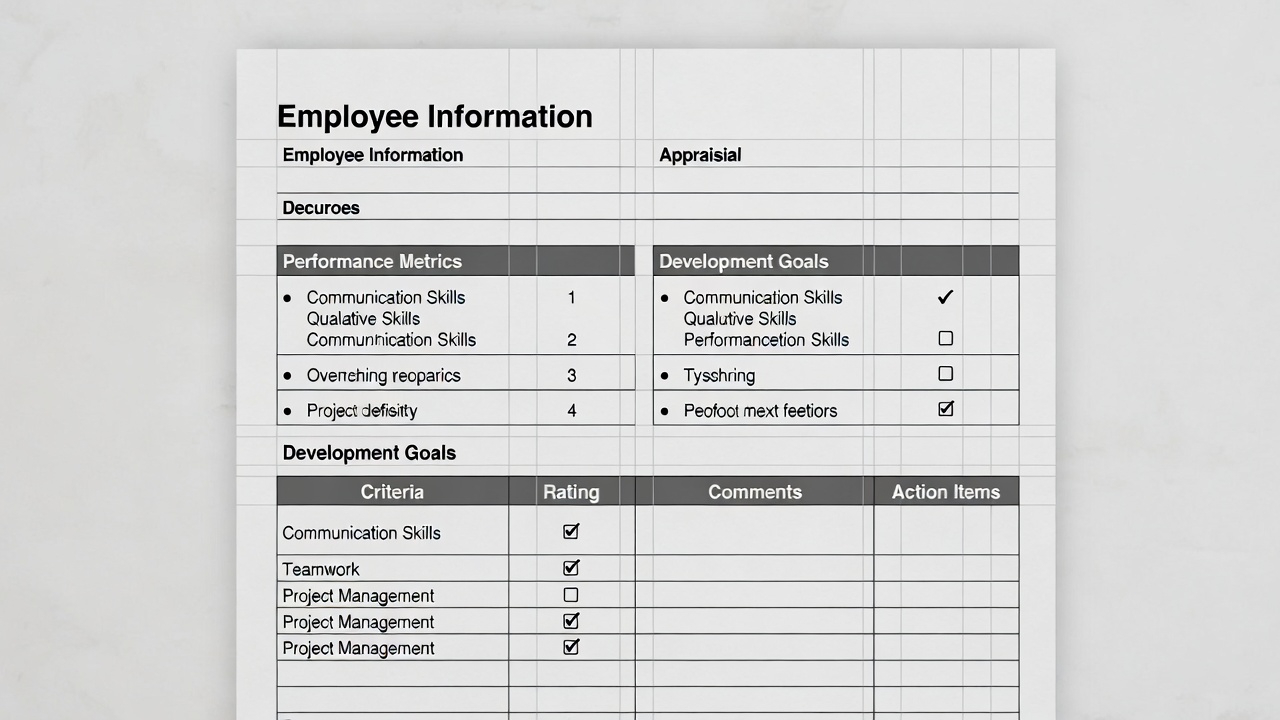
    One of the most critical gaps we see is the absence of a structured performance appraisal system.

    A strong performance management system should include:

    • Clearly defined KPIs aligned with company objectives

    • Competency-based evaluations

    • 360-degree feedback mechanisms

    • Performance improvement plans

    • Continuous review cycles

    When performance is measurable, productivity increases and accountability becomes part of the culture.


    Training Without Strategy Is Just Expense

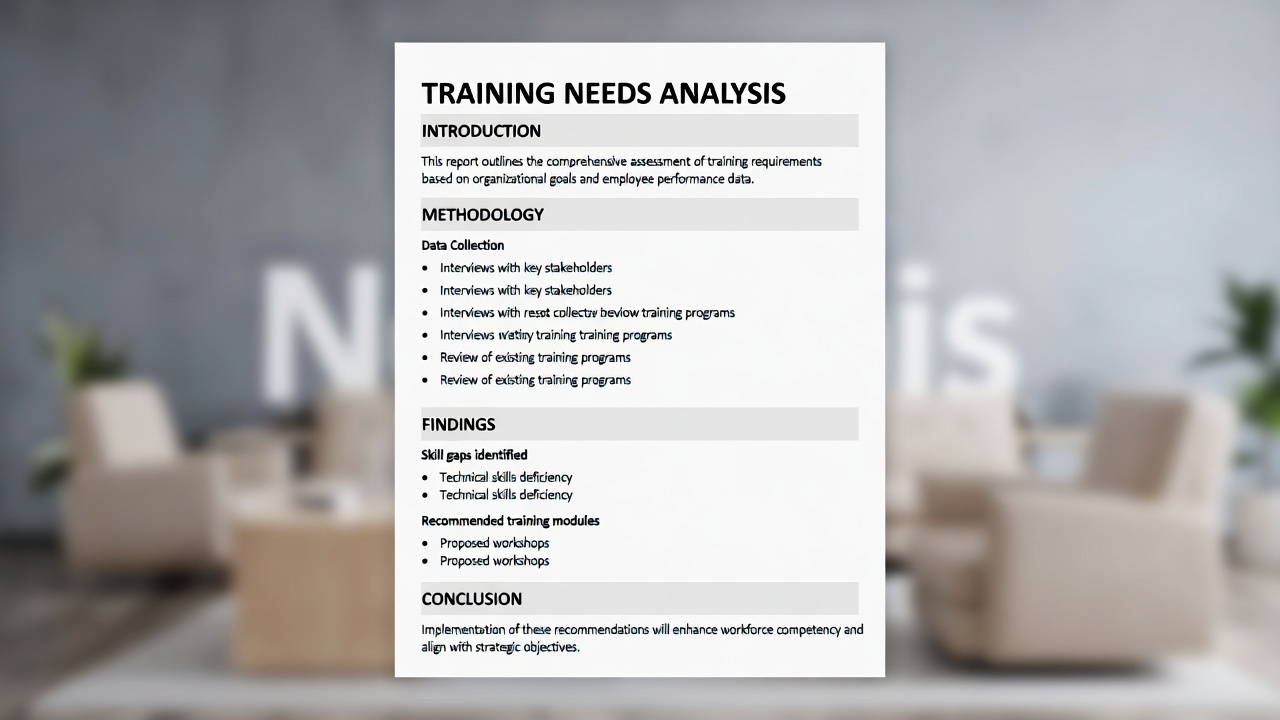
    Many organizations conduct training without conducting proper Training Needs Analysis (TNA). This often results in wasted budgets and minimal impact.

    A strategic training framework should:

    1. Identify actual skill gaps

    2. Align with business objectives

    3. Include measurable outcomes

    4. Evaluate ROI

    5. Support career development pathways

    Training should not be an activity — it should be an investment.

Leave a Reply

How can we help you?

Contact us at or submit a business inquiry online.

See our gallery
Looking for a First-Class Business Consultant?